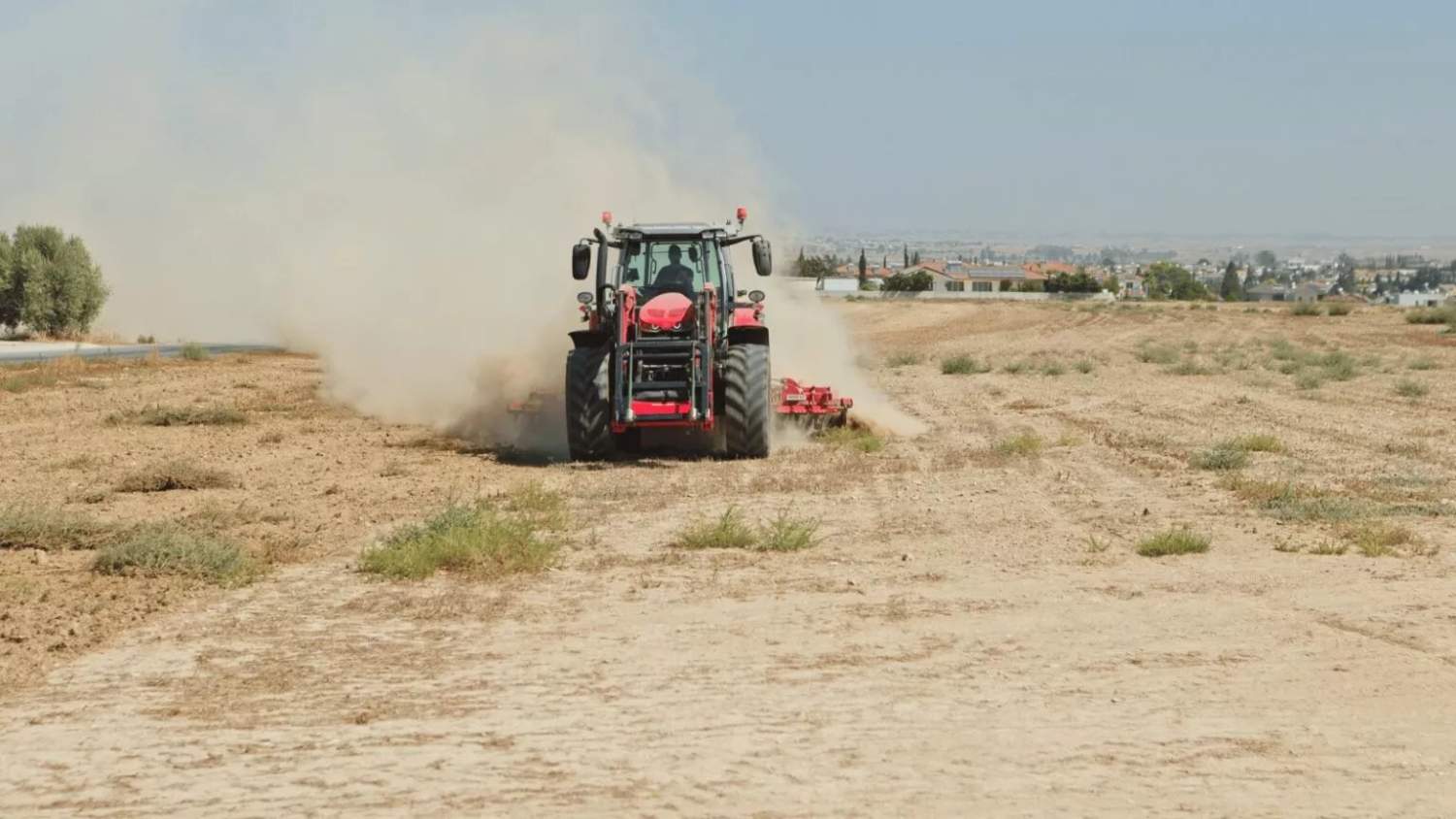

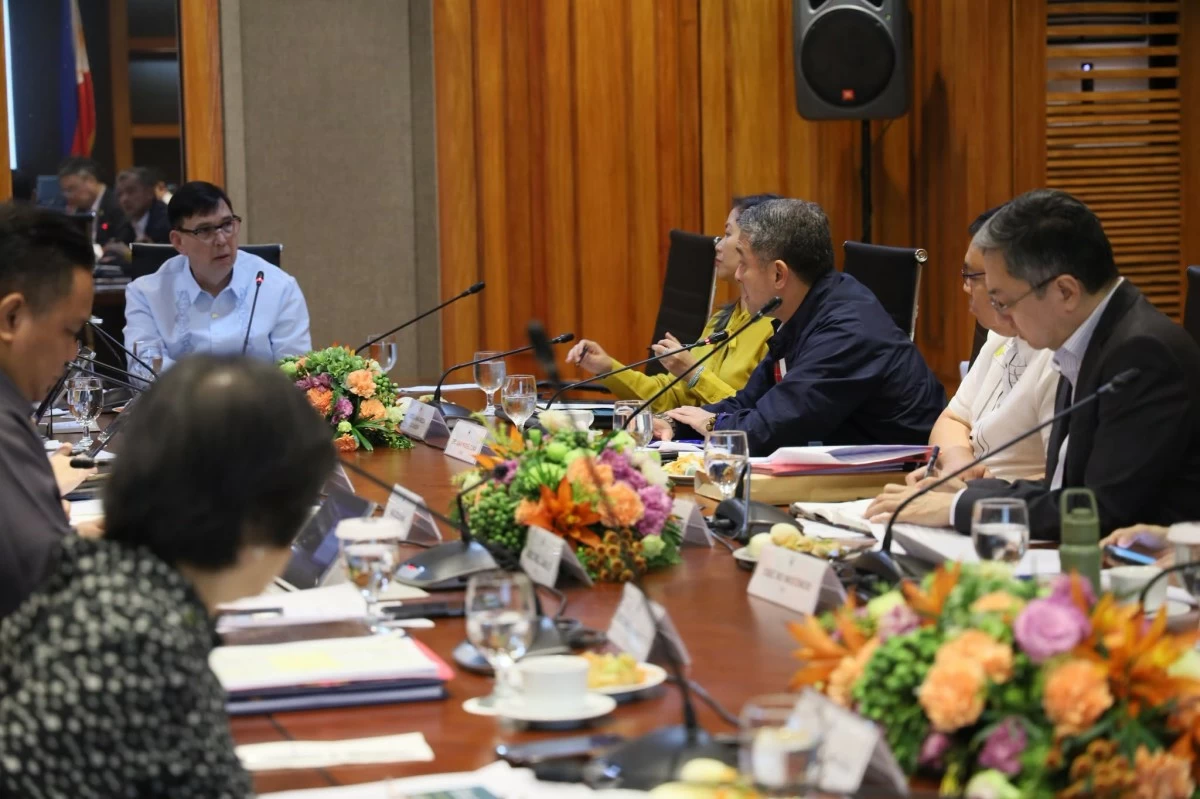
Executive Secretary Ralph Recto convened key government agencies on Oct. 8 to strengthen preparations for the anticipated “Super El Niño,” with departments outlining measures to secure food, water, and power supplies and protect communities from prolonged dry conditions. Acting on President Marcos’ directive, Recto said the government must prepare early without causing public alarm. “Preparedness is not a reason to panic. It is a reason to act early. Our job is to make sure that when the effects of El Niño come, the government is ready and Filipinos are protected,” Recto said. He also said he would meet with key local government units to ensure national preparations address the specific risks and needs of communities. Food, water supply measures The Department of Agriculture (DA) assured adequate supplies of rice, meat, and vegetables while preparing production assistance, crop insurance indemnification, livestock support, and water interventions for farmers and fisherfolk affected by prolonged dry conditions. The DA has also funded cloud-seeding operations in Regions II, III, VII, and VIII, as well as the Negros Island Region, while the government is pursuing investments in solar-powered irrigation systems and seed cold-storage facilities. The Department of Environment and Natural Resources is preparing water-allocation strategies, reservoir management measures, and prioritizing household and irrigation needs, while the government expects additional water facilities to become available by the end of 2026 and in the first quarter of 2027. The government is also preparing to reactivate 59 deep wells and optimize water treatment plants and other facilities in Cavite, Rizal, Laguna, and San Mateo, with 135 stationary and 105 mobile water tankers on standby for emergencies. Power, health, and livelihood assistance The Department of Energy assured that it would ensure a sufficient electricity supply and expedite grid integration and operations for new power plants scheduled to be completed before the end of 2026, while coordinating with generation companies to prevent unplanned outages, particularly in the Visayas. The Department of Health is intensifying surveillance for heat-related and climate-sensitive diseases, preparing medicines and medical supplies, and assessing hospitals’ readiness, including their access to reliable power and water. The Department of Labor and Employment and the Department of Social Welfare and Development also assured that cash assistance and emergency livelihood support were ready for affected workers and vulnerable families. The government said it would continue monitoring conditions and coordinating its response, focusing on areas most exposed to drought, water shortages, and extreme heat.
Source: Manila Bulletin.